Workflow
A finance reviewer uploads a bill, checks extracted fields against its PDF, and approves a record for the company's report.
A buildable brief connects a real input to rules, expected output, and acceptance checks. This worked example shows what the developer receives.
01 / Sample input
B-104.pdf
02 / Domain rule
No billing period? Keep it in review.Flatlogic products and services are used all over the world, including the following notable companies











Here is a filled-in brief for one utility-bill workflow. The company, bill, values, and rules below are illustrative.
A finance reviewer uploads a bill, checks extracted fields against its PDF, and approves a record for the company's report.
An uploader adds bills. A reviewer corrects and approves them. Files and records belong to the signed-in user's company and are visible only within that company.
PDF bill B-104 for Acme Bakery, site Warsaw-01: September 1–30, 2026, 1,200 kWh, and PLN 960.00. The uploader belongs to Acme Bakery.
AI proposes values from the PDF. Code blocks approval without a site, billing period, usage, or total. A reviewer checks the source, resolves discrepancies, and approves the record.
The approved-bills report contains B-104, Warsaw-01, September 1–30, 2026, 1,200 kWh, and PLN 960.00. The record retains its source PDF and approver.
PDF upload, review, approval, and one approved-bills report. Forecasting, payment collection, and accounting integrations remain outside this first release.
The domain expert supplies the examples. The developer makes the rules explicit. Each step produces something both can review.
The domain expert shows a bill and the report it should produce. The developer follows every action. Output: one sample input, its expected result, and the people involved.
Repeat the walkthrough with a missing billing period and an incorrect amount. Who can fix each problem? Output: required fields, approval rules, access rules, and exception cases.
Include PDF upload, review, approval, and one report. Defer forecasting, payments, and accounting integrations. Output: a short scope that separates the first release from later work.
The developer explains the workflow back to the expert. Both confirm the five expected results below and record unresolved questions. Output: an agreed brief for a development estimate.
Each case below has an observable result. The domain expert confirms these results before development.
| Test case | Expected result |
|---|---|
| Approved bill | Included. B-104 appears in the report with the exact values above. Its source and approver remain available. |
| Missing period | Blocked. The missing field is identified. B-104 stays in review and cannot be approved. |
| Wrong extraction | Corrected. AI proposes PLN 9,600.00. The reviewer checks the PDF and corrects it to PLN 960.00. Approval saves that value. |
| Another company | Denied. Its user cannot read or change B-104, or open the PDF through a direct link. |
| Before approval | Excluded. B-104 stays out of the approved-bills report. |
The developer turns these examples into tests. When a domain rule changes, the expert updates the expected result with the developer. The affected tests run again before release.
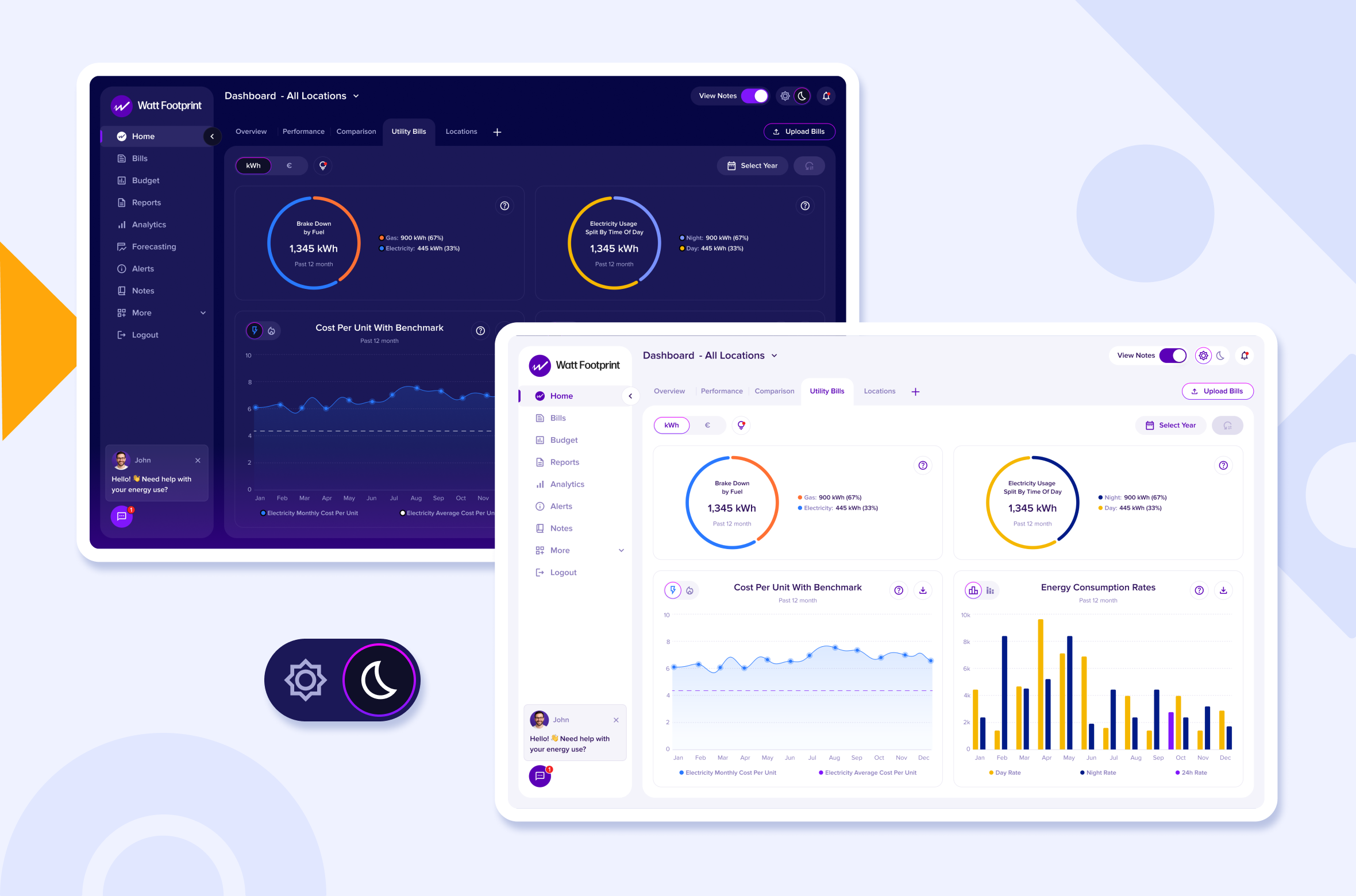
Watt Footprint is an actual delivery example: Flatlogic turned energy workflows into an owned SaaS product with bill capture, review, dashboards, and ongoing releases.
Bring a sample input, its expected result, and the exceptions. We can use them to scope the first version.


