Build an AI app with source code you can own
Generate the app foundation with AI, then keep the codebase, connect GitHub, deploy, and continue development without platform lock-in.
The source-code-ready AI builder is loading...
Use this path when you want the speed of an AI app builder, but the end state must be a code-owned web application your engineers can review, modify, and operate.
Real codebase
Generate a full-stack app your team can inspect, edit, and keep improving.
GitHub-ready workflow
Move from prompt to repository handoff without rebuilding the product foundation.
Dedicated VM
Run the generated app on infrastructure controlled for the project, not a locked demo sandbox.
Business app foundation
Start with auth, roles, data models, CRUD screens, APIs, and deployment wiring.
Flatlogic is built for teams that want AI-assisted delivery without giving up engineering control.
Source-code-first app generation
Generate the parts developers need to keep building
An AI app builder with source code should create more than screens. It should give your team a working application structure that can survive handoff, review, deployment, and product change.

Own the implementation surface. Use AI to create the first working version, then continue in the source code when product logic, integrations, or UI details need direct engineering control.

Review database and app logic together. Keep schema, screens, permissions, APIs, and dashboards connected so developers are not handed a disconnected prototype.

Ship beyond the builder. Deploy the generated app, connect GitHub, and keep iterating with your own team or Flatlogic engineers after the first release.
From AI prompt to editable product code
Describe the workflow, inspect the generated app, then use source code access when the product needs deeper customization, code review, or a developer-owned roadmap.
Open AI Web App Generator Best for teams comparing AI speed with long-term code ownership.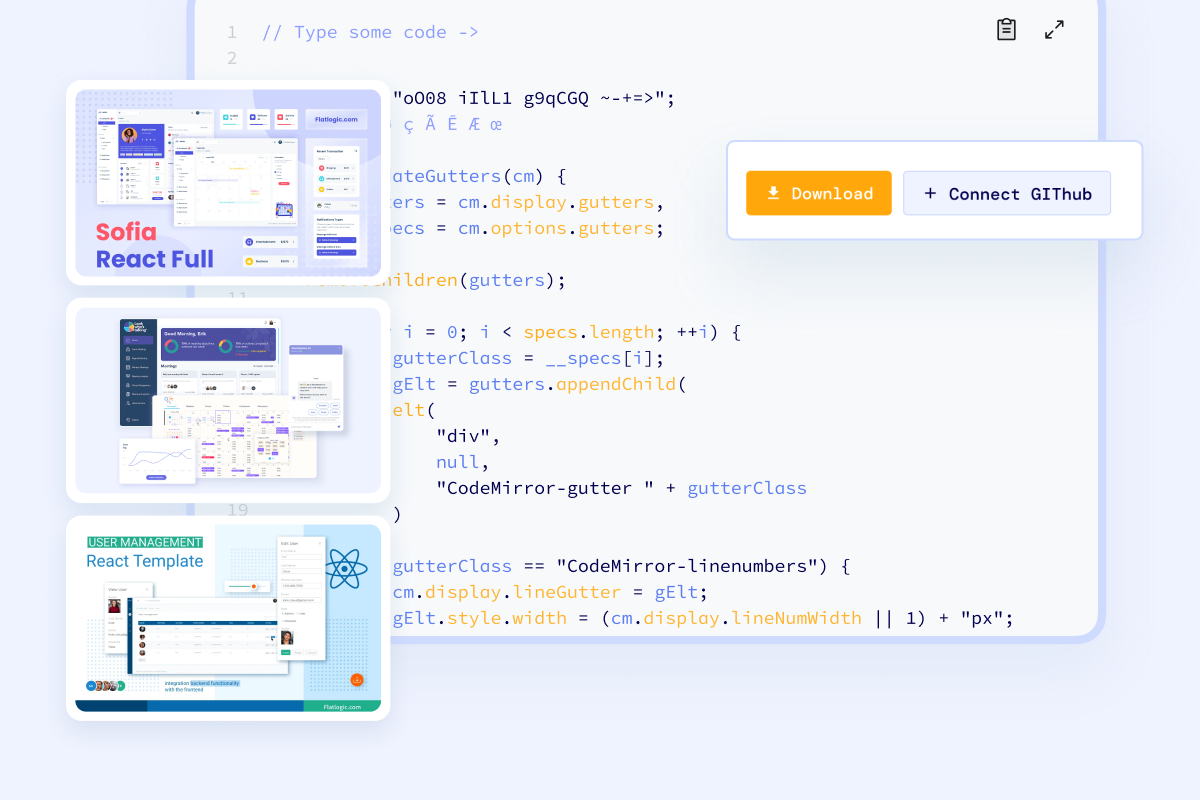
Code handoff
Keep the generated app useful after launch
Source code matters when the first version needs real product work: custom business rules, third-party integrations, data migrations, reviews, and deployment changes. Pair this page with the AI app builder with database when schema design is the center of the project.
Workflow
A clean path from prompt to owned codebase
Use AI for speed, then move into normal product engineering when the app needs custom logic, commercial licensing, or long-term maintenance.
Describe the app
Start with the product workflow, users, records, permissions, and integrations you need.
Generate the foundation
Flatlogic creates the app structure with database models, CRUD screens, auth, roles, and deployment setup.
Inspect and refine
Review the generated application, adjust requirements, and keep the builder focused on missing product behavior.
Take the code forward
Use source code access, GitHub handoff, and the dedicated VM to continue development without platform lock-in.
Related build paths
Choose the route that matches the next decision
Source code ownership is one part of the decision. These nearby pages help compare the generator, database-first builds, AI-agent delivery, and commercial source code access.
FAQ
Questions teams ask before trusting an AI builder with code
Yes. The goal is to create a real application foundation your team can inspect, customize, deploy, and keep extending after the generated version is live.
Yes. Flatlogic is built around real web applications, dedicated VMs, templates, source code access, and developer handoff instead of keeping the product locked inside a visual builder.
A typical first version can include database models, CRUD screens, authentication, role-based access, APIs, dashboards, deployment setup, and the project structure needed for further engineering.
You can use the builder to get to a working first version quickly. Developers become especially useful when you want deeper custom logic, external integrations, code review, or long-term product ownership.
Start with code ownership in mind
Build the AI-generated app your team can actually take over
Start in the builder, generate the first working version, then keep source code access, GitHub handoff, and dedicated VM deployment available for the next stage.