
Investor and LP profiles with relationship history, preferences, commitments, and firm-level context.
Generate investor records, fundraising pipelines, document workflows, dashboards, permissions, and deployment setup from one focused prompt.
Loading the Investor CRM builder...
Start with the investor relationship workflows that matter now, then keep extending the CRM as your fund, investor base, reporting needs, and internal process grow.
Investor relations CRM
A full-stack CRM your team can inspect, change, deploy, and keep improving.
Each project runs in its own workspace so the builder can generate, test, and iterate.
Profiles, stages, tasks, documents, and reports are planned around fundraising work.
What the first release should cover
Investor CRM software has to connect relationship history, pipeline movement, sensitive files, and partner-level reporting without forcing the team into a generic sales process.
Investor and LP profiles with relationship history, preferences, commitments, and firm-level context.

Fundraising pipelines for prospecting, diligence, soft-circled capital, commitments, and close tracking.

Document workflows for pitch decks, data rooms, subscription docs, notices, and controlled access.

Dashboards, filters, exports, and investor reporting for partners, IR teams, and operations.
Investor CRM workflow
The first build should make daily investor work easier: finding the right relationship context, following up on time, sharing the right files, and seeing where the pipeline stands.
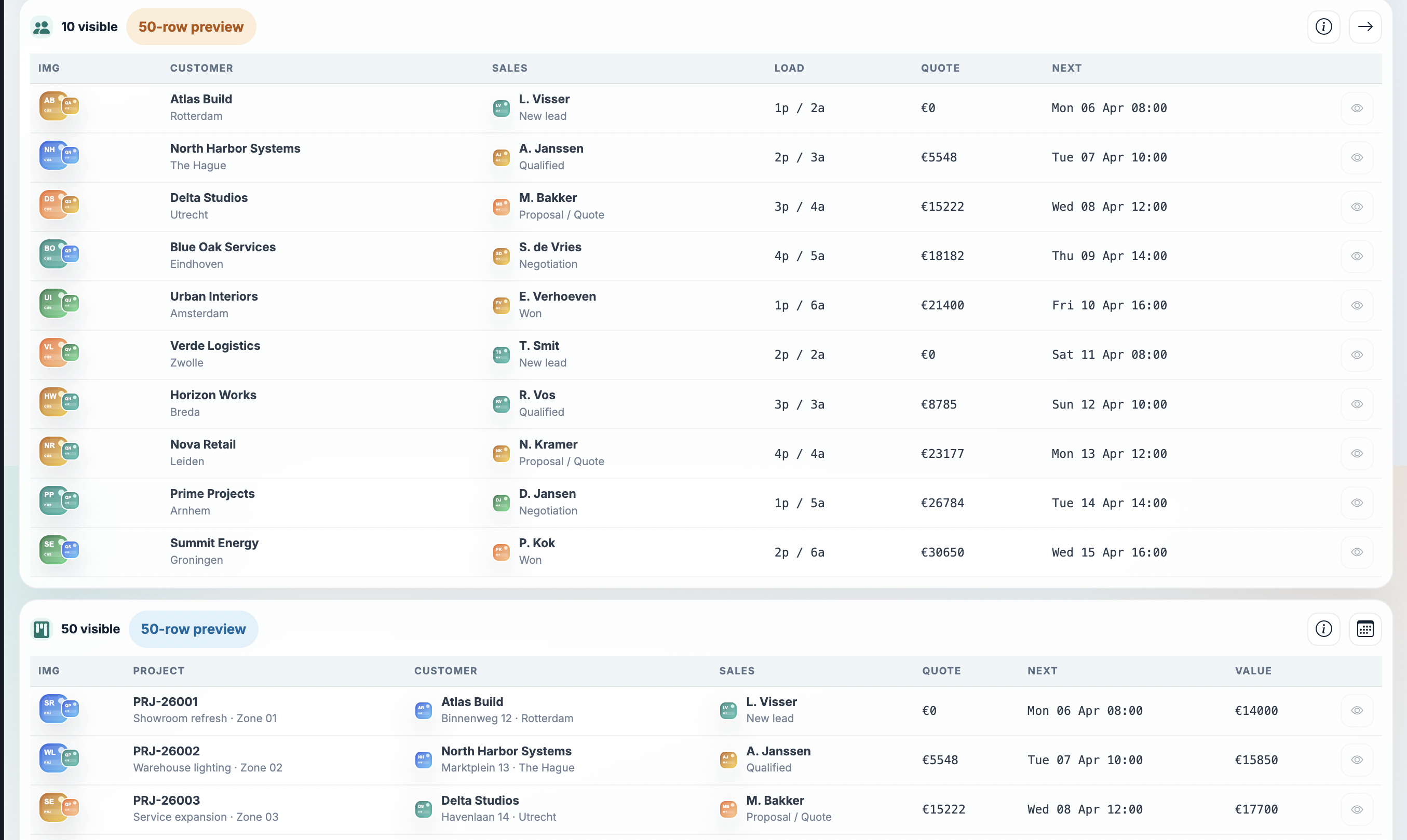
Model each investor as an account with stage, owner, priority, next step, notes, and expected commitment so the team can manage follow-up without spreadsheet drift.
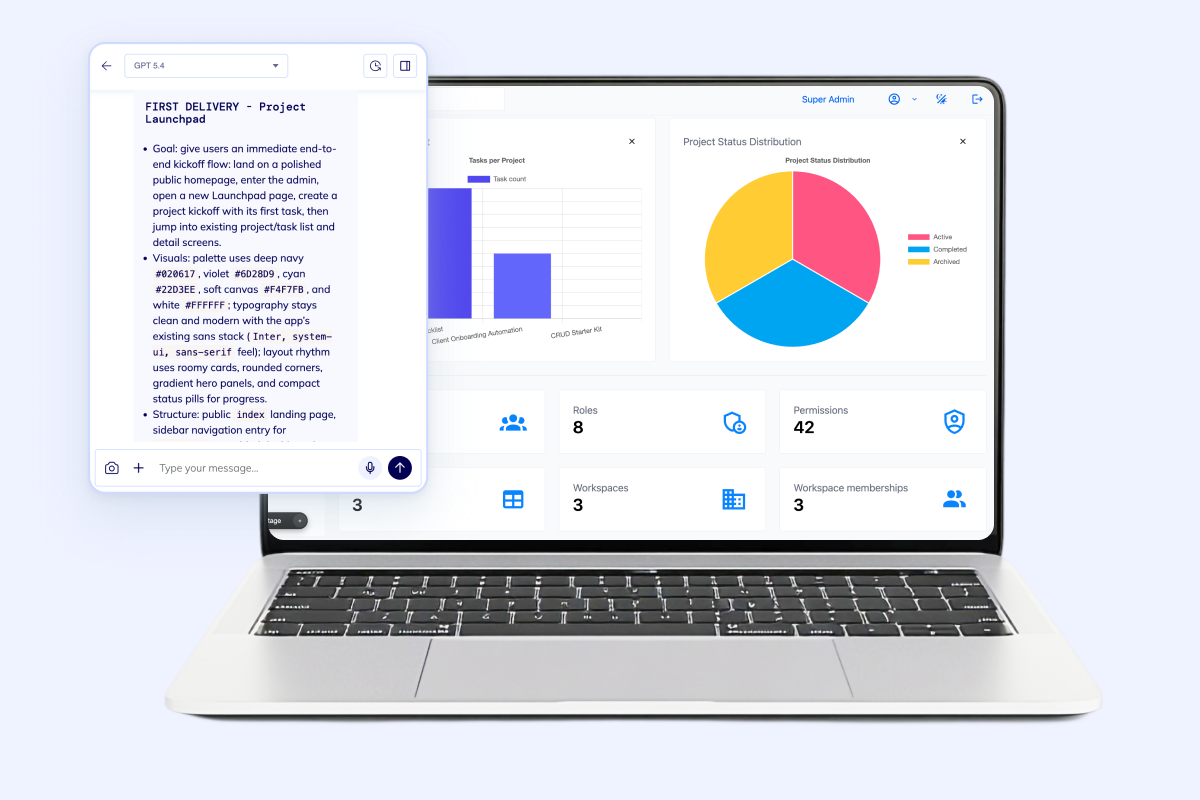
Give investor relations, partners, and analysts one secure workspace for contacts, files, notes, meetings, requests, and account-level permissions.
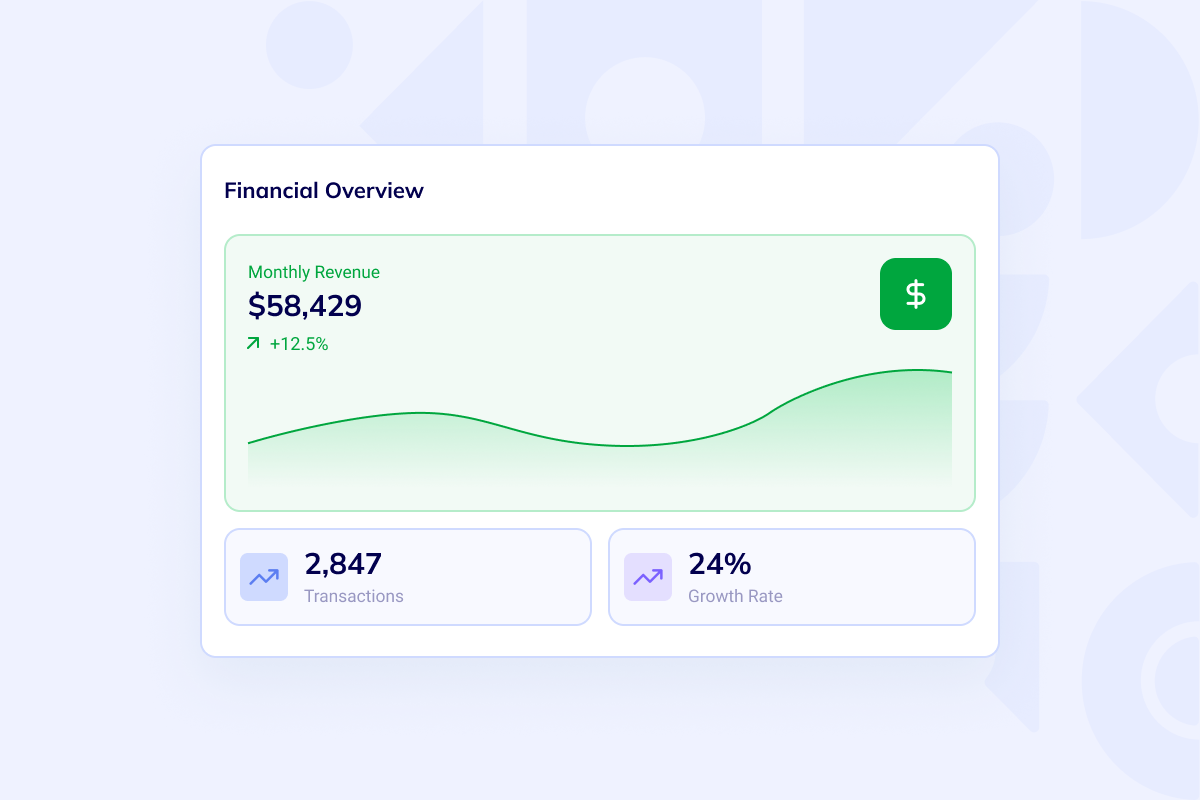
Start with dashboards for commitments, outreach velocity, open tasks, allocation interest, and portfolio-facing updates, then extend the schema as reporting matures.
FAQ
The useful questions are about ownership, investor-specific workflows, integrations, and whether the first release can stay focused.
An investor CRM is a relationship system for fundraising and investor relations. It keeps investor profiles, communication history, pipeline stages, documents, tasks, reminders, and reporting in one place instead of scattering them across spreadsheets, inboxes, and shared drives.
Yes. The first version can be shaped around the records and stages your team uses: LPs, prospects, advisors, commitments, funds, portfolio companies, capital calls, reporting periods, and controlled document access.
Generic CRM tools usually start with sales objects. An investor CRM needs investor-specific data, fundraising stage logic, sensitive document workflows, audit visibility, and permissions for partners, IR staff, analysts, admins, and external stakeholders.
The page is designed around a code-owned application, so integrations can be planned into the app instead of treated as plugin limits. Common starting points include SMTP or SendGrid, Google Calendar, file storage, REST APIs, webhooks, and analytics exports.
Yes. Flatlogic starts from a real application foundation, runs it on a dedicated VM, and gives your team source-code control so you can keep customizing investor workflows after the first release.
Build the investor CRM
Start with investor records, pipeline stages, files, reminders, reports, and permissions. Then add the integrations and AI actions your team actually needs.